The useful starting point
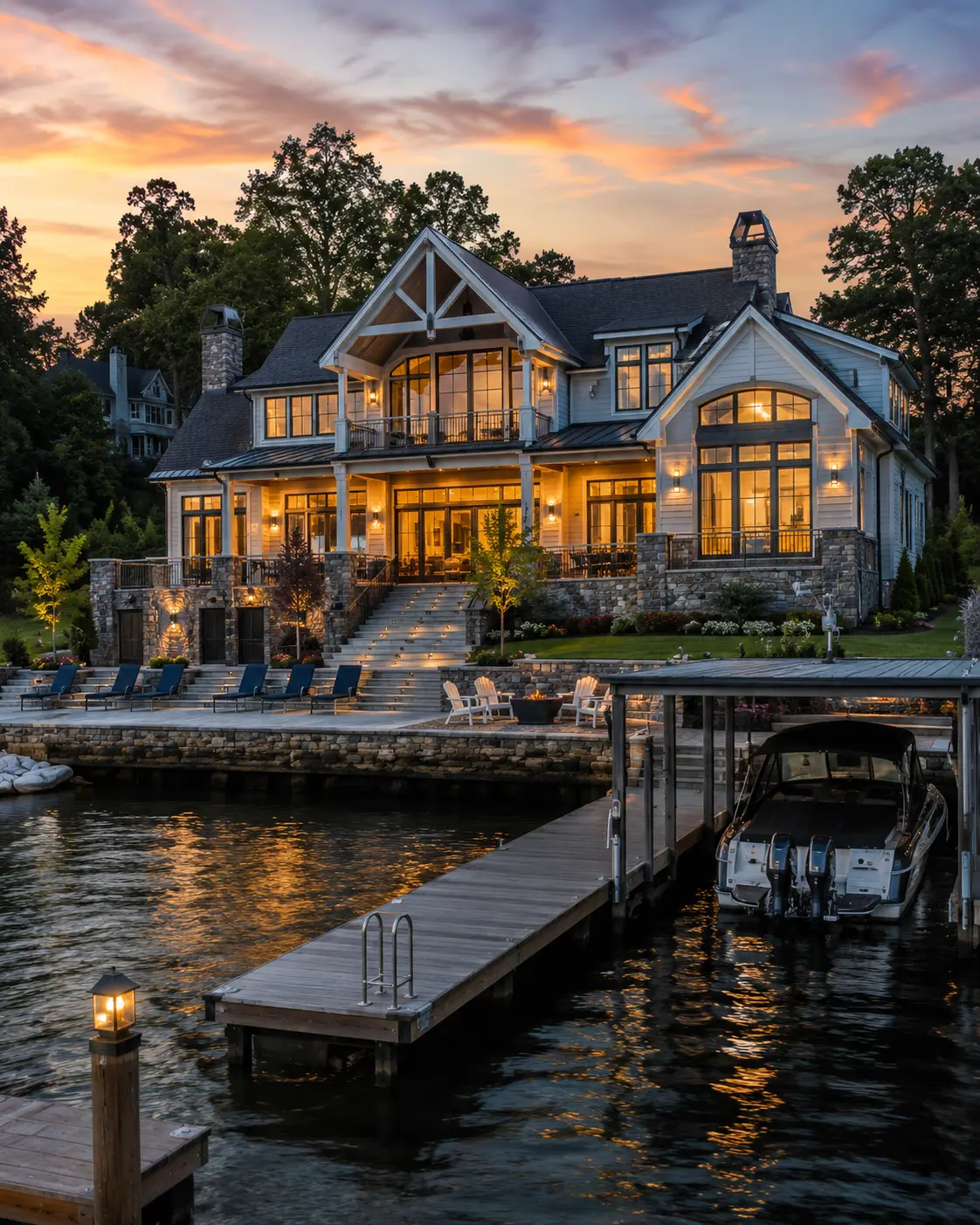
The best Lake Norman waterfront home buying advice starts with more than the view. Before I compare a waterfront home, I want the shoreline, dock permit, water depth, septic, insurance, access and bridge route on the same page.
Build the waterfront inspection team early
A general home inspection is essential, but a Lake Norman waterfront purchase can also call for specialists who understand docks, lifts, seawalls or shoreline stabilization, septic systems, surveys, drainage and insurance. Bring the right professionals in early enough for their findings to inform the Due Diligence Period.
- Ask the home inspector which waterfront structures and systems fall outside the standard inspection.
- Use a survey and title review to confirm the parcel, shoreline relationship, easements and recorded access rights.
- Have dock, lift, shoreline, septic and insurance questions reviewed by the appropriate qualified professionals.
First, be clear about the water
True waterfront, waterview and lake access describe different ownership experiences. Confirm whether the parcel reaches the shoreline, whether access is deeded or community based, what structures and rights convey and whether a view depends on neighboring land or seasonal conditions.
- Waterfront: the parcel has a direct shoreline relationship that still requires title, survey and permit review.
- Waterview: the home offers a view without necessarily conveying shoreline or access rights.
- Lake access: use may come through a deeded easement, community marina, ramp or amenity with separate rules and costs.
Docks, permits and transferability
Duke Energy Lake Services manages permitting for shoreline activities on its lakes. Do not assume an existing dock, roof, slip, lift or shoreline improvement is compliant or that a desired change will be approved. Ask the seller for the permit record and use Duke Energy’s current transfer process; the transfer review can include an inspection of the facility.
- Match the permit record to what is physically present.
- Confirm what transfers with the sale and who must correct any noncompliance.
- Make future dock or lift plans subject to written approval rather than assumption.
Shoreline, erosion and grading
Look beyond the waterline to the bank, drainage and path from the house to the dock. Erosion, failing stabilization, concentrated runoff or a steep grade can affect use and future work. Duke Energy’s shoreline plan guides reservoir shoreline activity, while county and other approvals may also apply above the project boundary.
- Inspect stabilization, drainage and signs of recent repair.
- Understand the grade for carrying gear, reaching the dock and maintaining the lot.
- Price shoreline or drainage work only after the appropriate authorities and qualified contractors review it.
Water depth and seasonal fluctuation
A wide view does not guarantee usable depth at the dock. Measure depth at several points, ask when it was measured, compare it with the lake level that day and consider the draft of the boat you intend to use. Duke Energy notes that reservoir levels vary with conditions and location, so one visit is only a snapshot.
- Ask for depth at the slip and along the passage to open water.
- Review the cove at different seasons when possible.
- Check current lake levels before relying on a measurement.
Insurance and flood exposure
Review the current FEMA map, county parcel layers, elevation information and property-specific loss or insurance history when available. A map is a starting point, not an insurance quote. Obtain coverage and cost guidance for the exact address early enough to inform due diligence.
- Ask an insurance professional to price the home, dock and other structures as applicable.
- Confirm deductibles, exclusions and whether separate flood coverage is recommended or required.
- Review drainage and access even when the structure is outside a mapped high-risk area.
Septic, sewer and the buildable lot
Confirm whether the home uses public sewer or an onsite septic system. For septic, locate the permit, tank, drain field and repair area; review capacity against the home; and understand how these elements relate to additions, a pool, grading or other plans. County environmental-health records are the factual starting point.
Lifts, boats and bridge routes
Confirm that every lift and covered structure appears in the permit record and that the equipment suits the boat’s weight and dimensions. Then trace the actual passage to the water you expect to use. Bridge clearance, cove depth and narrow passages can matter more than straight-line distance on a map.
- Measure boat height on the trailer and on the water as applicable.
- Test the passage at representative lake levels and normal traffic conditions.
- Have marine equipment inspected separately from the home when appropriate.
Davidson: town-centered and connected
Davidson pairs an established town center, college setting and north-lake access with a relatively limited waterfront inventory. Compare how often you will use the town with the exact drive to the dock, interstate and recurring destinations; some Davidson searches are more town-led than shoreline-led.
Cornelius: marinas, coves and daily convenience
Cornelius offers a broad mix of waterfront homes, condos, marinas and established neighborhoods close to dining and services. The tradeoff is precision: cove, road, bridge travel, water depth and shared or private access can change substantially within a short distance.
Huntersville: south-lake access and the week ahead
Huntersville can shorten the drive to Charlotte while keeping the lake within daily life. Waterfront opportunities are less uniform than the town’s broader housing supply, so confirm the parcel’s exact shoreline, road access and connection to the part of the lake you plan to use.
Mooresville: range and a larger search map
Mooresville offers an extensive shoreline and a wide spectrum of established, renovated and newer homes. That range creates choice, but it also makes bridge crossings, peninsula travel, cove conditions and the drive to I-77 especially important to compare property by property.
Denver: western-shore space and a different weekday
Denver offers a western-shore view with waterfront, waterview and lake-access communities. It can provide more space in some searches, while travel toward Charlotte, the airport, services and the bridges around the lake deserve an honest weekday test.
Budget for ownership beyond the purchase
Build a property-specific plan for dock and lift maintenance, shoreline work, exterior care, trees, insurance, utilities and any septic responsibilities. The best waterfront decision balances the view with the condition, permissions and operating costs behind it.
Questions clients ask
Lake Norman Waterfront Home Buying FAQ
Who should help me buy a Lake Norman waterfront home?
Start with a broker who understands the lake and the property-level questions behind the view. Depending on the home, the team may also include a qualified home inspector, surveyor, North Carolina attorney, insurance professional, septic specialist and dock, lift or shoreline professional. Duke Energy Lake Services and the appropriate county remain the sources for current permit and regulatory requirements.
What should I verify about a Lake Norman dock before closing?
Obtain the permit record, compare it with the dock, roof, slips and lifts on site, confirm the current Duke Energy transfer requirements and clarify in writing what conveys. If future changes matter, seek written guidance before relying on them.
Does a Lake Norman dock permit automatically transfer with the home?
Do not assume it does automatically. Duke Energy provides a permit-transfer process, and its current FAQ says a representative will inspect the facility as part of a transfer application. Confirm the current steps and compliance status directly with Lake Services.
How should I evaluate water depth?
Measure at the slip and along the passage to open water, record the lake level and date, consider the boat’s draft and review seasonal conditions. A single depth claim never tells the whole story.
What is the difference between waterfront, waterview and lake access?
Waterfront describes a direct shoreline relationship; waterview describes a view without necessarily conveying shoreline or access rights; lake access may be deeded or community based. Title, survey, recorded documents and permits should confirm the specific rights.
Should I check flood exposure if the home sits above the lake?
Yes. Review FEMA and county mapping, grading, drainage, elevation information and an address-specific insurance quote. The home, access, lower improvements and shoreline can have different exposures.
How do I choose among Davidson, Cornelius, Huntersville, Mooresville and Denver?
Compare the exact water relationship, town setting, bridges and roads, recurring destinations, home style and ownership costs. Each town contains several distinct lake experiences, so the property-level comparison matters more than a broad ranking.